Kamakura — the last leg.
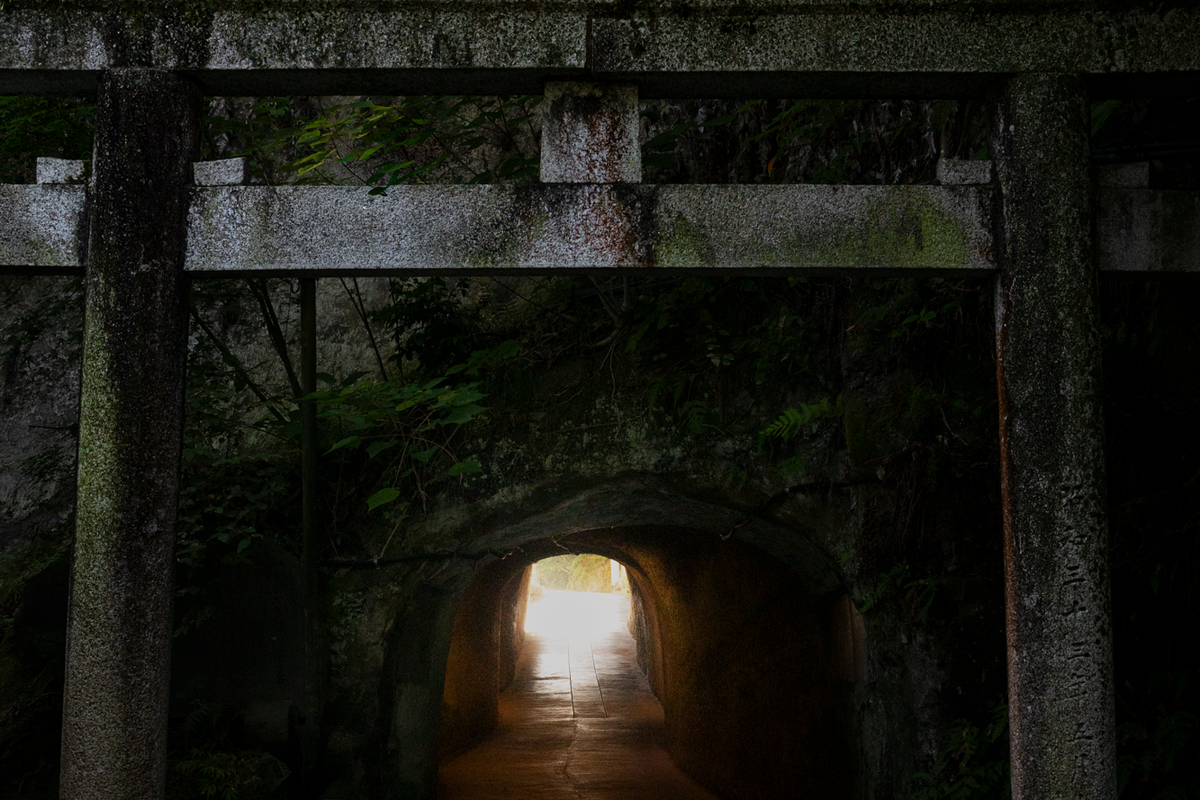
The jet lag is gone, but editing these photos and writing these posts tugs me right back in. I'm back home now. Back to work, back to familiar roads, and back to autopilot. Since being home I've been trying to integrate the things I learned about myself while out there getting lost in Japan.
The mental rest of solo travel in Japan
Traveling alone was not something I'd given myself much space to do over the last two decades. But 4 weeks was an awakening. Driving without deadlines. Stopping when something caught my eye. Eating when I was hungry, and skipping meals when I wasn't. I slept when I was tired, slept in when it felt right. Yes, I enjoyed the independence, but now I realize that was only half the story.
Since being home, a more textured picture is coming into focus. I'm starting to see that I was enjoying most was a reduced cognitive load. No constant checking in. No negotiating schedules. No background math about other people's needs. Keeping my space organized and ordered. It was always just me and whatever was directly in front of me. For a brain like mine, that's not indulgence, it's oxygen.
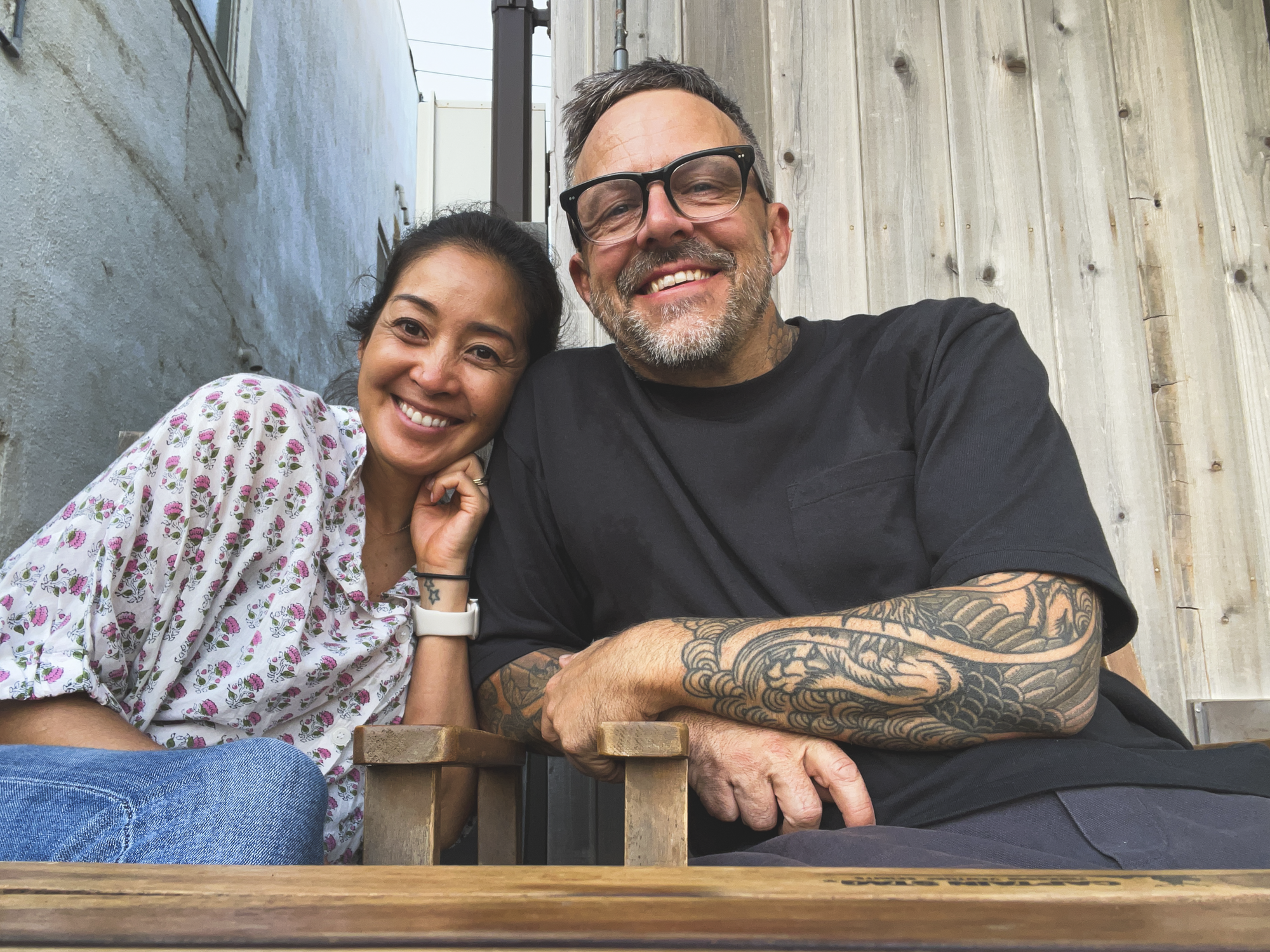
My wife Ako and I have a familiar tension in our marriage. I move toward order, Ako leans into ease. I used to think my preference for order was just the predictable fussiness of a designer. In a recent strained conversation, something shifted when I explained that visual noise feels physical to me. As a way to help her understand, I asked her to imagine Metallica at full volume — all the time. She gawked. I could tell she finally understood.
My mind is not just a busy intersection. It's more akin to the infrastructure of planes, people, and luggage moving through every layer of the world's busiest airport. Somehow I've learned to normalize all this. Ideas, chatter, imaginary conversations with thousands of possible versions of myself and other people. So seeking order isn't really preference, its' straight relief. Tiding up can be a fresh blanket of snow over all that noise.
Like tidying, Japan has a way of turning the volume down. Maybe it's the structure. Maybe it's the expectations or shared rules. A cultural emphasis on we over me. My perspective here is still green and colored by novelty. Inevitably it'll change with more time and exposure, but across all three trips, the pattern holds. Something about Japan gives me rest in a way that no other place has.
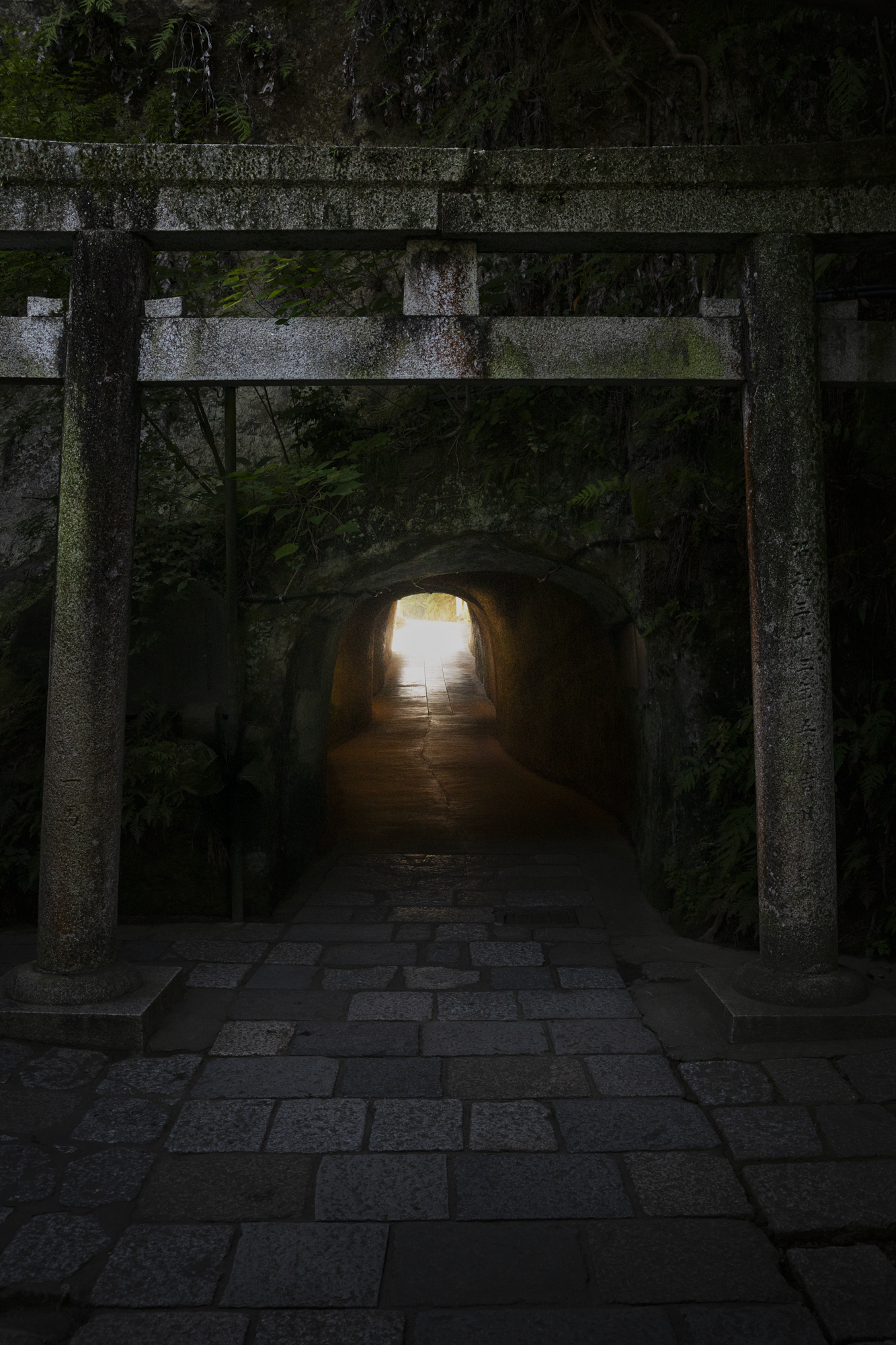
Ako's arrival to Kamakura
After four weeks alone, I was genuinely ready to see my bride. Ako flew into Haneda. I picked her up and we drove south to Kamakura together. We'd been briefly a few years before, but only for a day, and never really to explore. This time we camped out in an efficient little Airbnb with a series of private bedrooms, each with their own bathroom, all sharing a central kitchen. No extra space to sprawl or accumulate clutter. If you want to travel affordably in Japan, it's definitely possible.
The transition back to shared decisions was harder than I expected. I found myself annoyed at small things—having to negotiate where to eat, when to leave, whose pace we'd move at. Those four weeks had recalibrated something in me, and it took work to move through that friction without letting it fester. But there's also something irreplaceable about navigating a place with someone you love. Ako's curiosities pulled us toward things I would have walked past. Her fluency opened conversations I couldn't have had alone. Neither mode is better.
Solo travel gives me oxygen, shared travel gives me dimension.
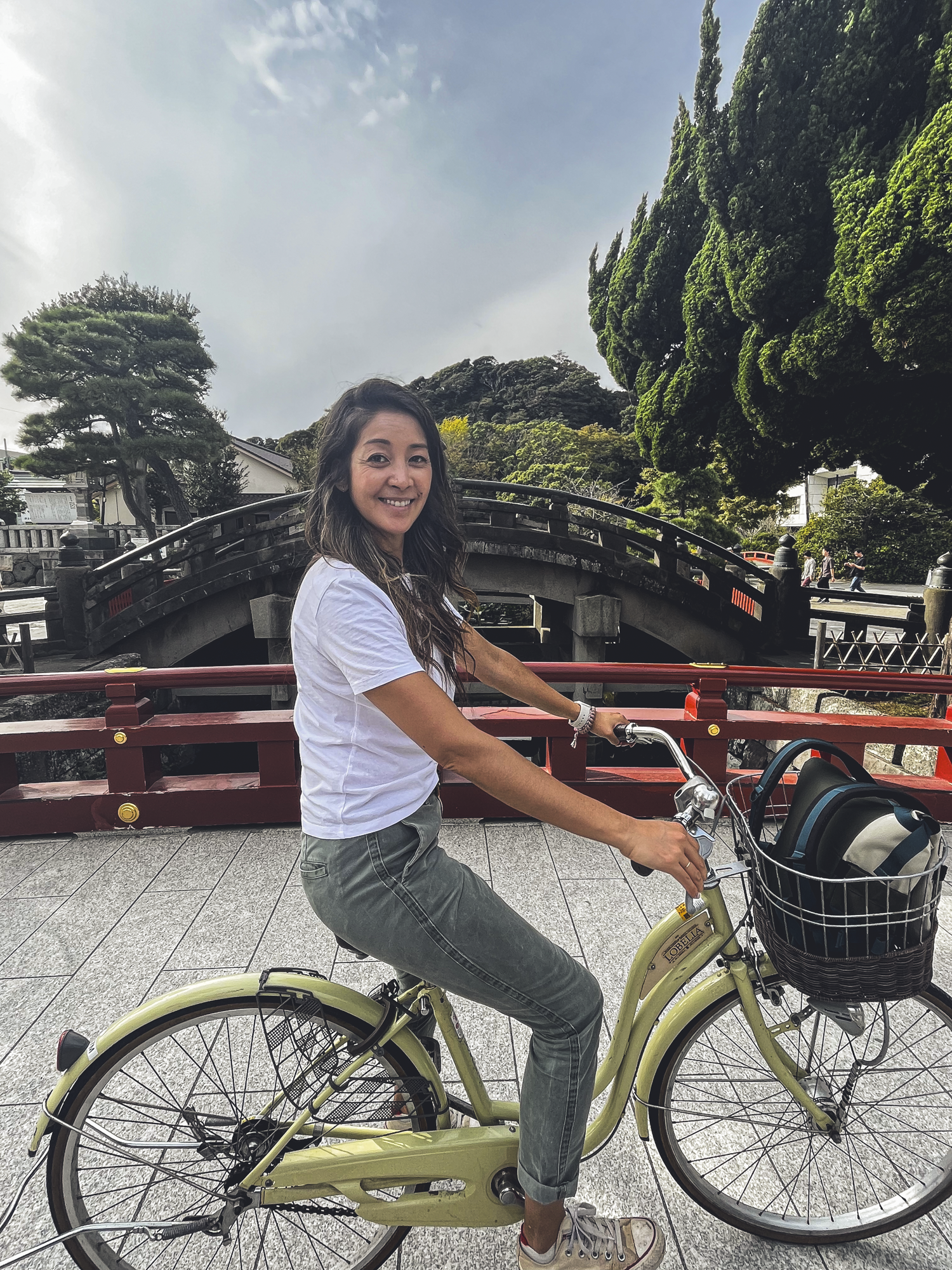
In Kamakura everything feels nearby in a way that makes walking or riding a bike the default rather than a virtue. We walked along the beach front to cafes. We walked street-side to dinner, peaking in every window. We rented bikes, riding all the way to the Enoshima and back. Afterward we sat watching the sun go down, drinking matcha and contemplating more time in Kamakura.
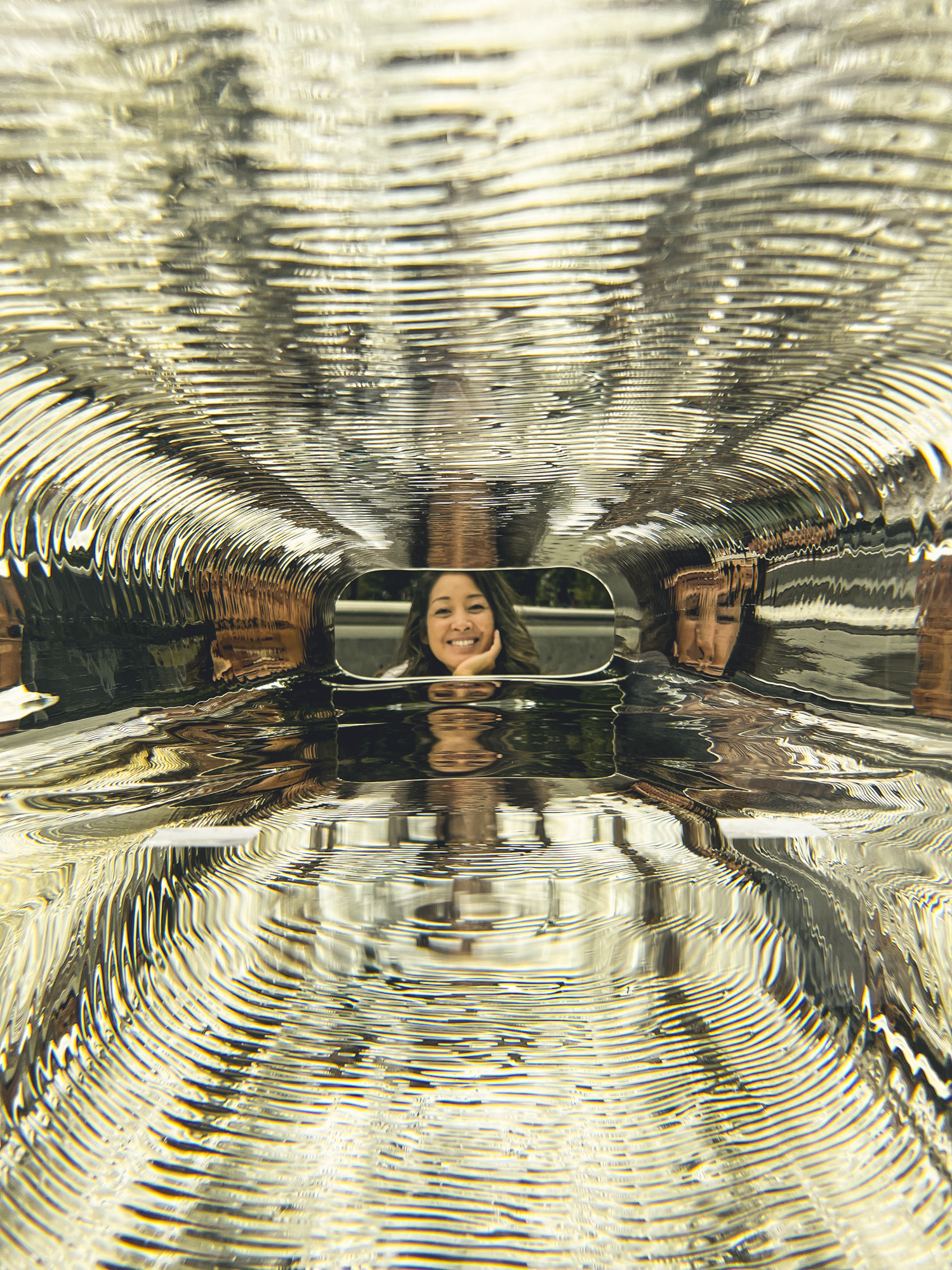
Small days, big feelings
With a full week in one place we got to develop a few fun habits. We loved finding a seat at Bread, Espresso &. A place with good coffee, a clean (orderly) space. Ako's natively fluent in Japanese, but still I would ask to order, even as I would make a few mistakes. It felt good to show off what I'd been learning. This place has some of the best pastries I've had in Japan. Some things for a western pallet and some things like shirashu (tiny sardine like fish) on a bun (for breakfast), which is odd for my Colorado-born brain, but worth the risk.
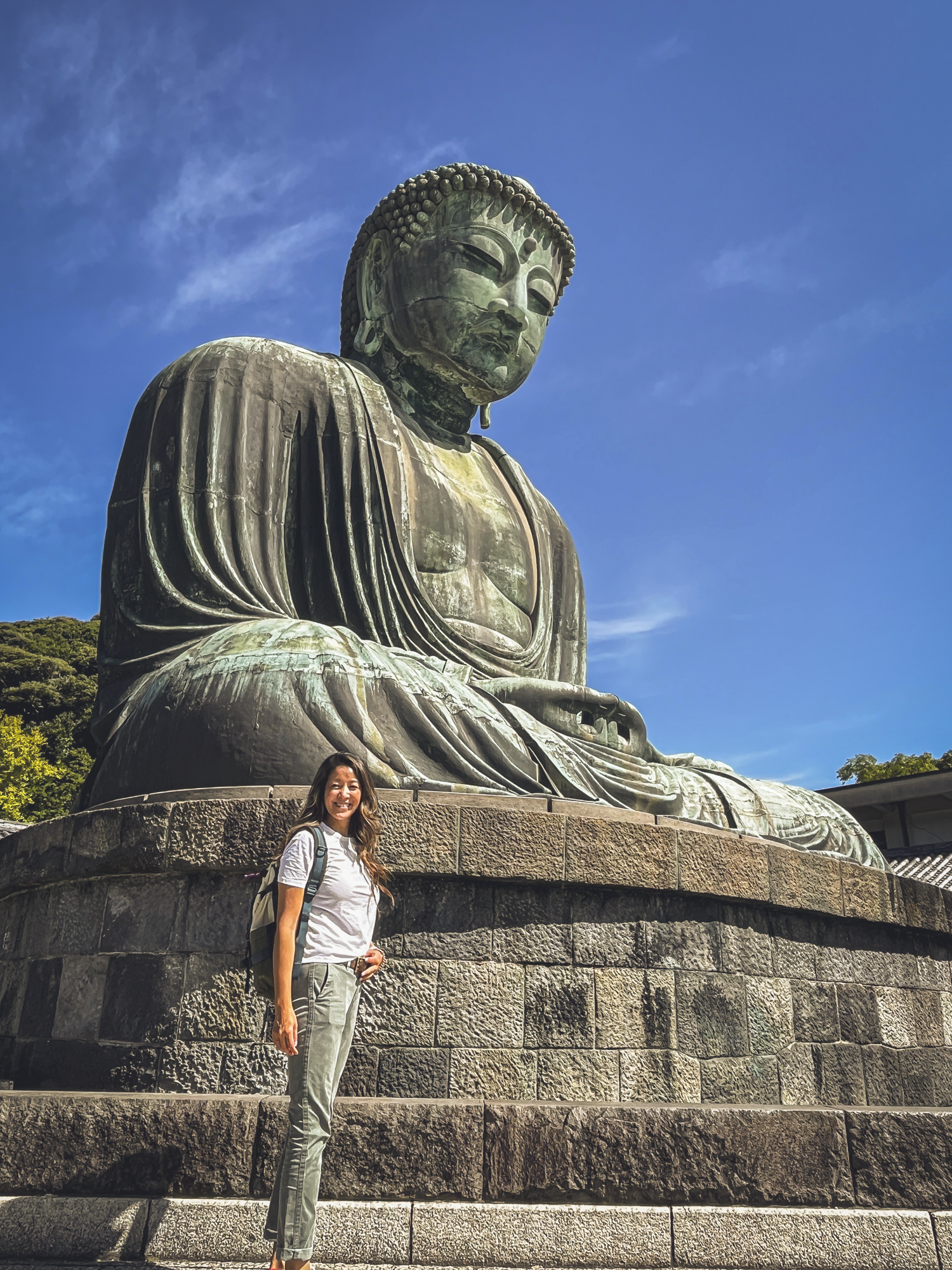
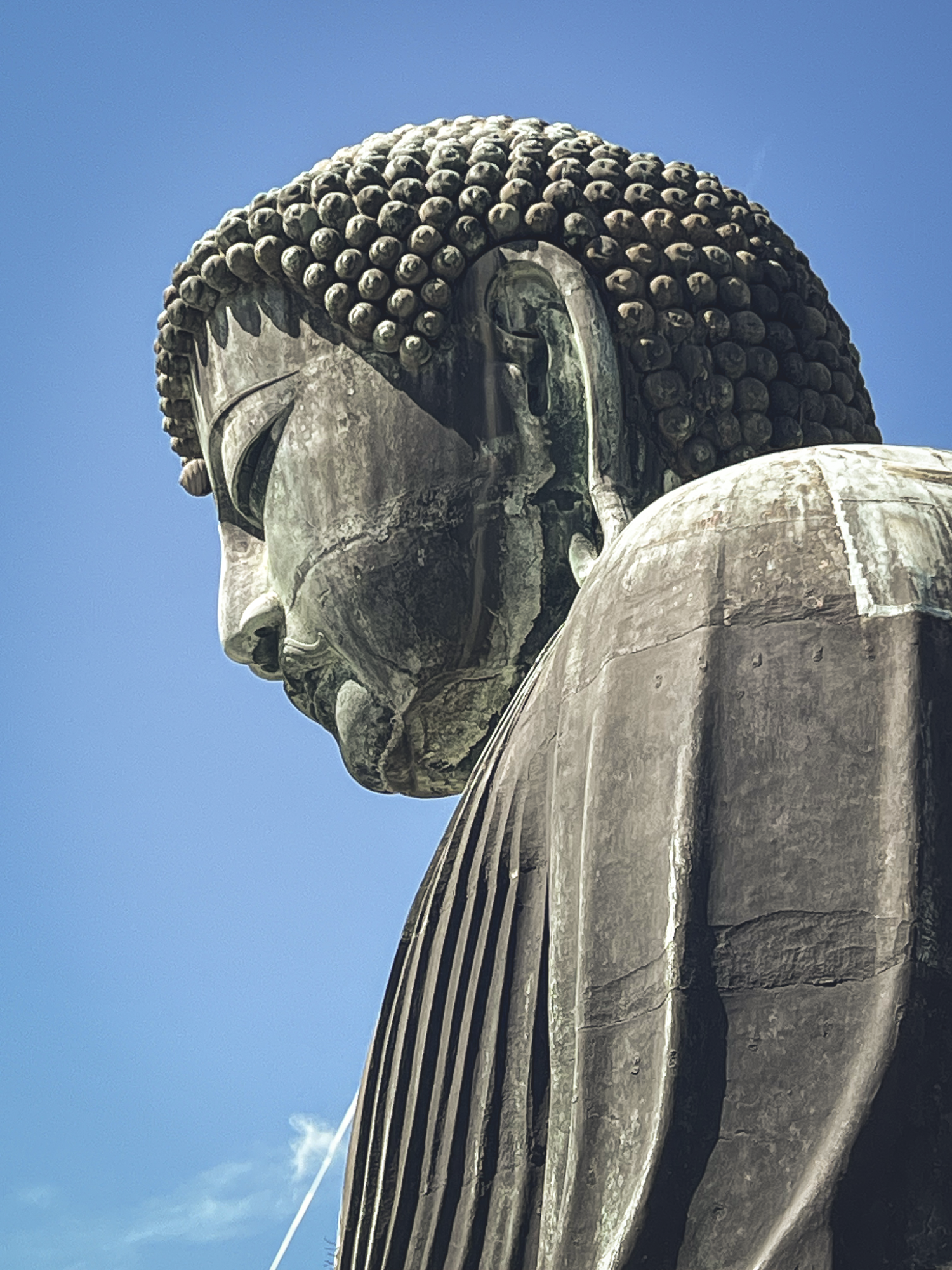
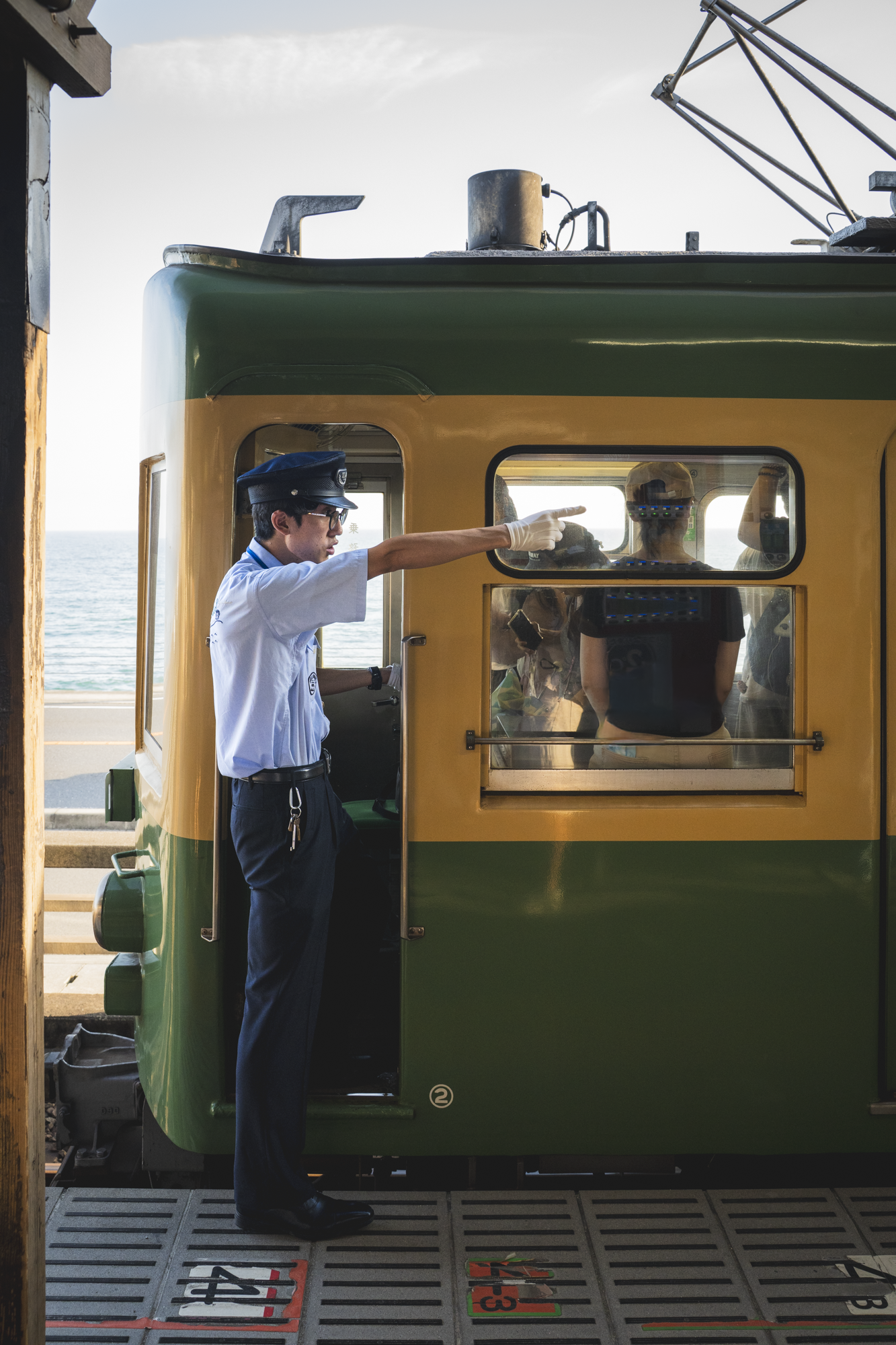
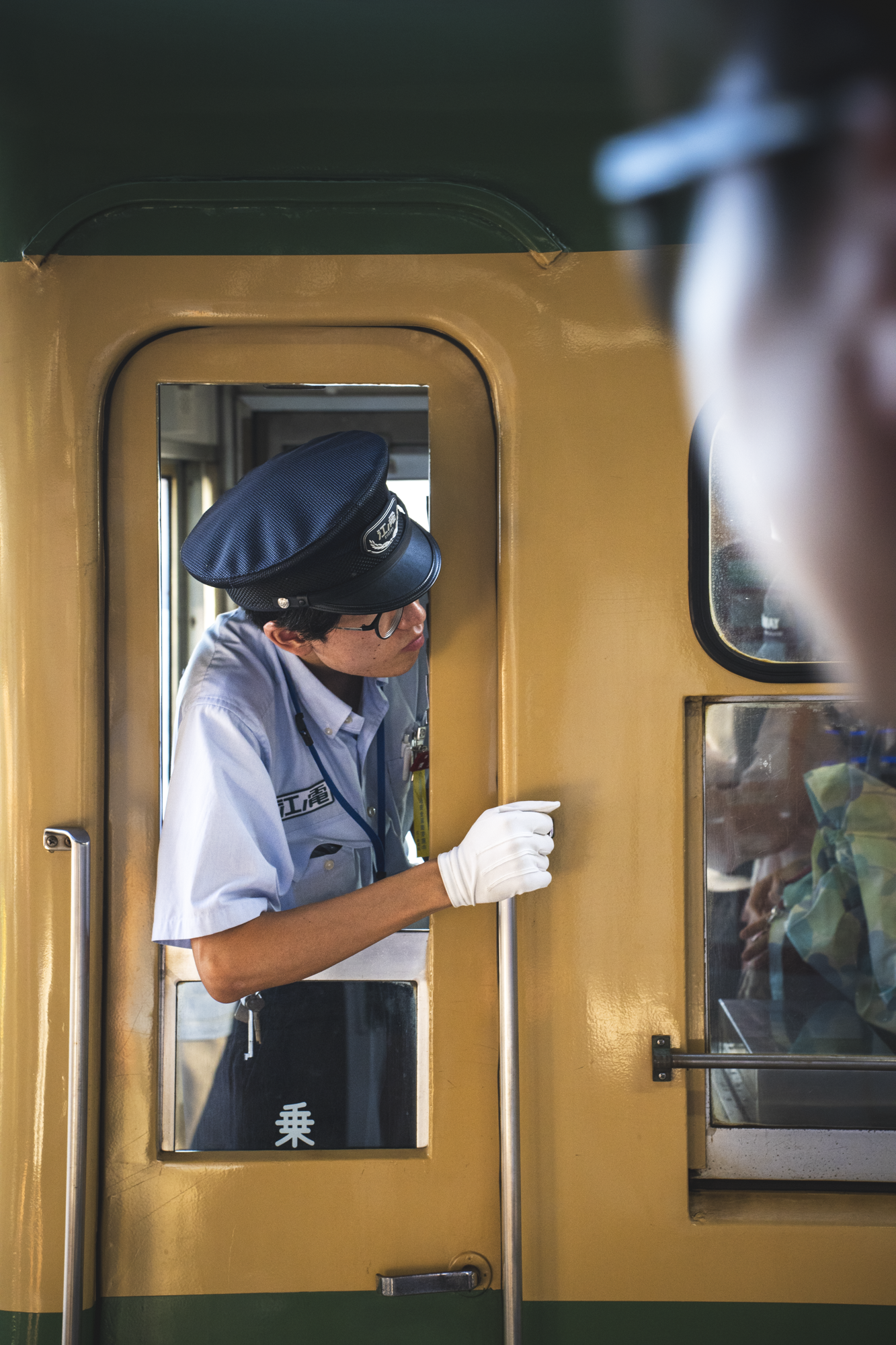
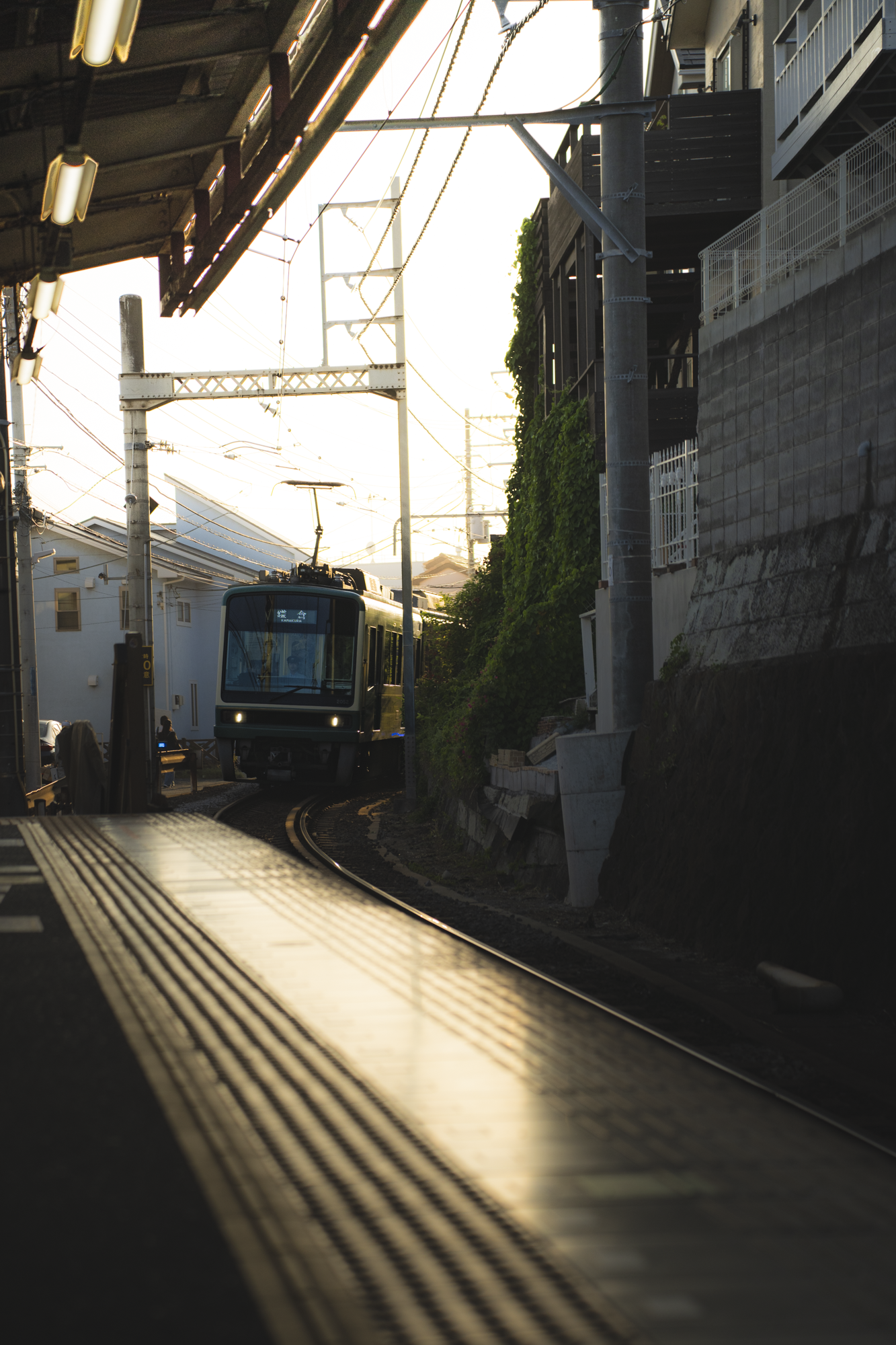
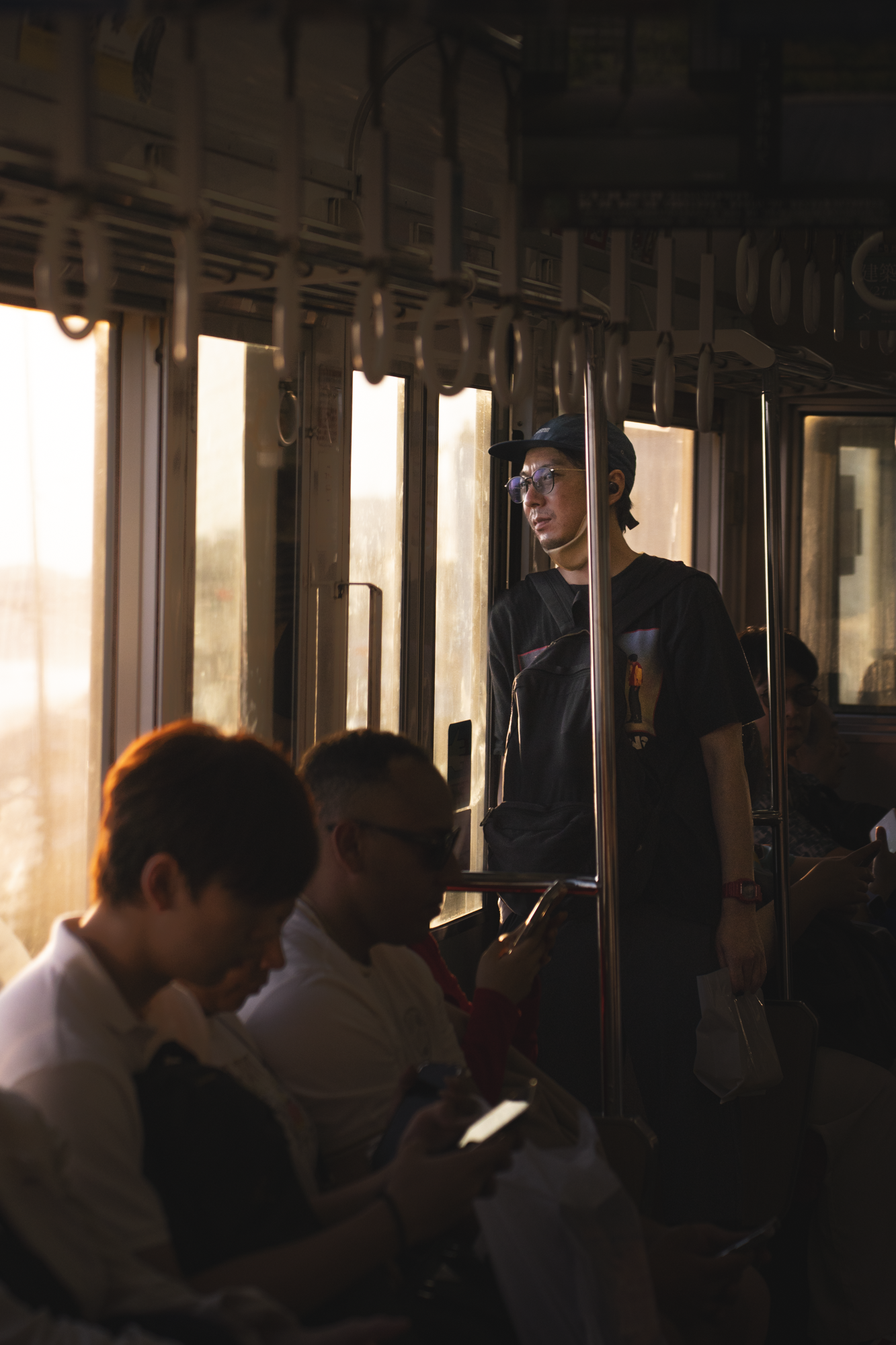
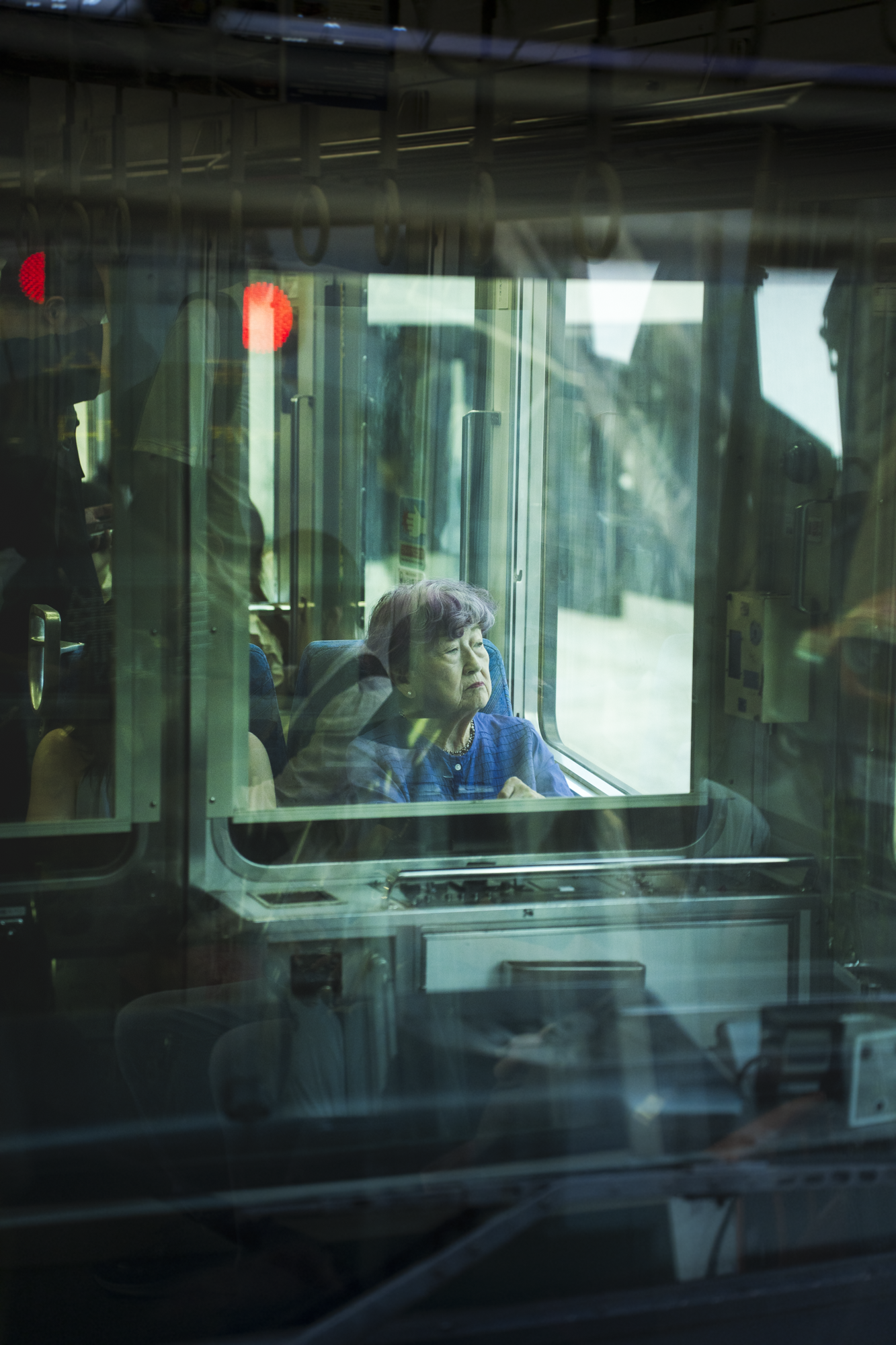
Temples and shrines throughout Kamakura pop up unannounced as they do in the rest of Japan, but the Great Buddha here is really worth seeing. The Enoden line rattles through town along the coast, charming and nostalgic. Kamakura can be touristy, but it doesn’t feel dominated by tourism. People actually live here. You can tell by how little effort is made to impress.
Finding home
Somewhere between the bike rides and morning pastries, I realized I was watching Ako differently. I've spent the last few years trying to convince Ako that living in Japan could work. She usually responded with some version of "that sounds nice for you, I promise I'll visit". I get it though. Her early career in Tokyo was not gentle. She was hired early at Goldman Sachs, one of the most prestigious and strict banks you can work for. Investment banking, long hours, and a work culture that was not kind to women. You can imagine why the idea of living in Japan again wasn't something she was chasing. Kamakura changed that quietly.
The moment I knew something was shifting, wasn't about me at all. It was watching Ako rest. Not crash or disengage, just rest. No sense that she needed to be productive, or impressive, or perform her role correctly as a Japanese woman in a country with a culture of shoulds. She could simply be where she was, as she was. That's when I thought this could work, not just for me, but for us.
We spent time with Ako's college friend Tomo and his wife Miki (and heard a lot about Ku-chan, their pup) who live nearby in Zushi. Fresh fish for lunch one day, dinner at Tomo's favorite izakaya the next. What made it special wasn't just the food—it was getting a window into a version of Ako I'd never seen. I know this woman better than anyone on earth, and yet there are these wide gaps that can't be filled by her stories alone. Hearing Tomo and Ku-chan talk about who she was back then, what she cared about, how she moved through the world—it filled in colors I didn't know were missing. And getting to show up next to her now, as her husband, felt like proof of how far we'd both come.
Tomo's also starting his own sauce company, so we spent time talking shop—the reality of consumer packaged goods, supply chains, margins, all of it. On Instagram, he posts a meal he makes every single day after his 20-mile run. The man is a machine. It was energizing to be around someone building something with that kind of daily commitment.
Another great example of Kamakura hospitality was Ayumi, a sweet lady who cleaned our Airbnb. She has blonde hair and was very casual for a Japanese woman. She and Ako hit it off immediately, yammering on about everything you can imagine. On our last day, she surprised Ako by giving her a sweatshirt from the Katase Small Waves Surfing Club. A small gesture, unremarkable if you don't know Japan very well, and quite meaningful if you do. Most folks don't engage that friendly, that fast here. It was special. If I had paid Kamakura to help convince my wife to dream about Japan, they couldn't have done a better job.
Thinking forward
I still think about places I'd like to visit throughout the world. But no place has ever quite taken me like this country. If we ever move to Japan, I don’t want to just consume it. I want to participate and collaborate. I want to learn and contribute. I want to put down roots. Ako isn’t what you'd call traditional Japanese. I’m not Japanese at all. We’re both a little weird in the best ways. I don't know how we'd fit in, but the smiles and the genuine curiosity across all five weeks of this trip make me believe it's possible. My last days in Kamakura didn't feel like an ending, but more like an invitation, like a date where things stop being hypothetical and you start making plans. Ako and I didn't make any promises on the train ride back to Haneda, but this concept of living here was no longer dismissable. Japan had shifted from dream to our possibility. Next step is possibility, to probability.
All the photos can be seen here.